

BORCE HAS WELCOMED PILGRIMS FOR CENTURIES. THE GÎTE SAINT-JACQUES IS IN THE HOUSE THAT WELCOMED THEM
IN THE MIDDLE OF THE MEDIEVAL VILLAGE, RIGHT BY THE GR653.
Gîte Saint-Jacques, pilgrim accommodation in Borce
Gîte Saint-Jacques, pilgrim accommodation in Borce
BORCE HAS WELCOMED PILGRIMS FOR CENTURIES. THE GÎTE SAINT-JACQUES IS IN THE HOUSE THAT WELCOMED THEM—IN THE MIDDLE OF THE MEDIEVAL VILLAGE, RIGHT BY THE GR653.
Sleep well at night
before the Somport
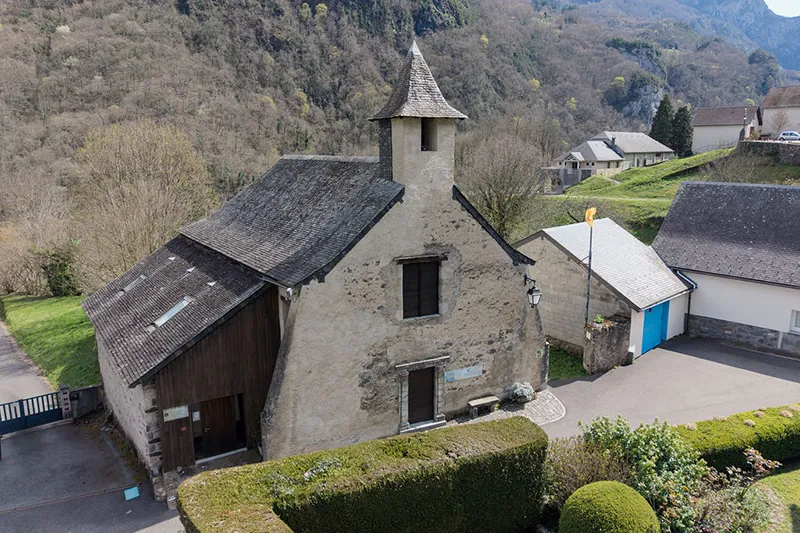
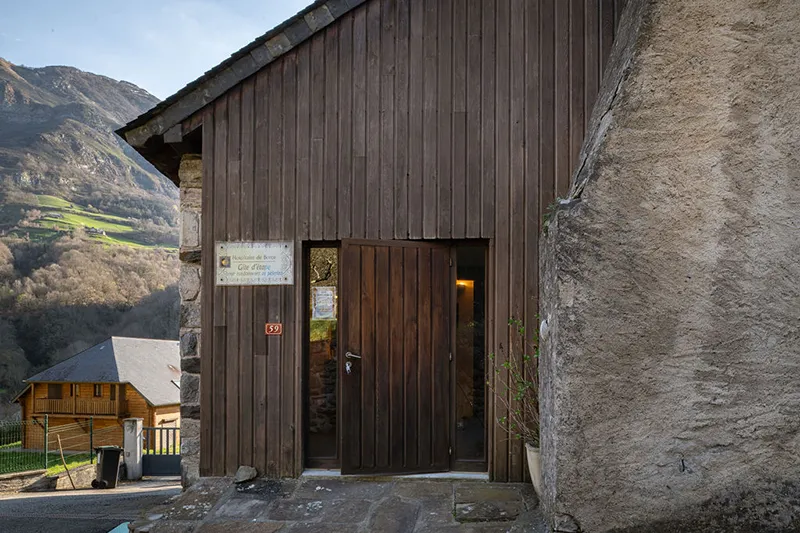
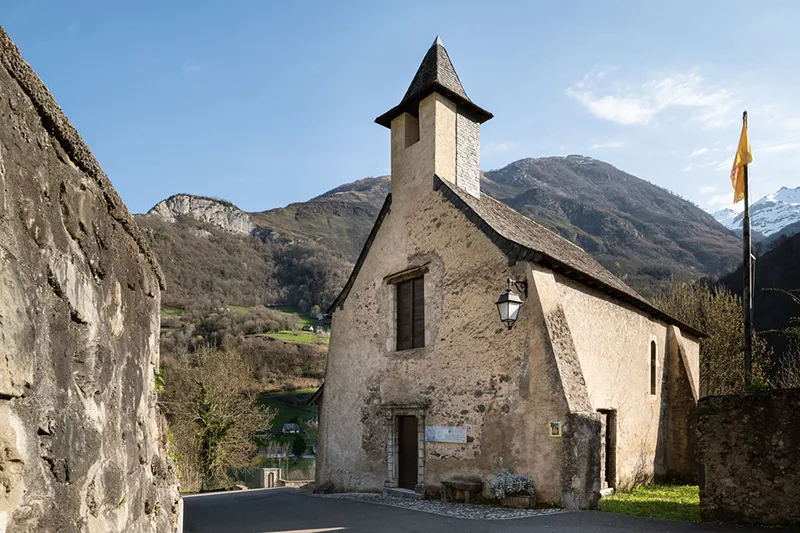
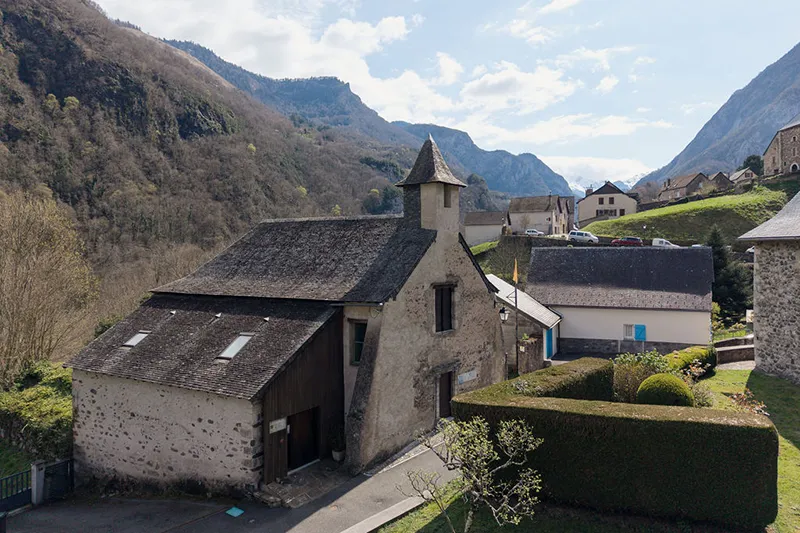
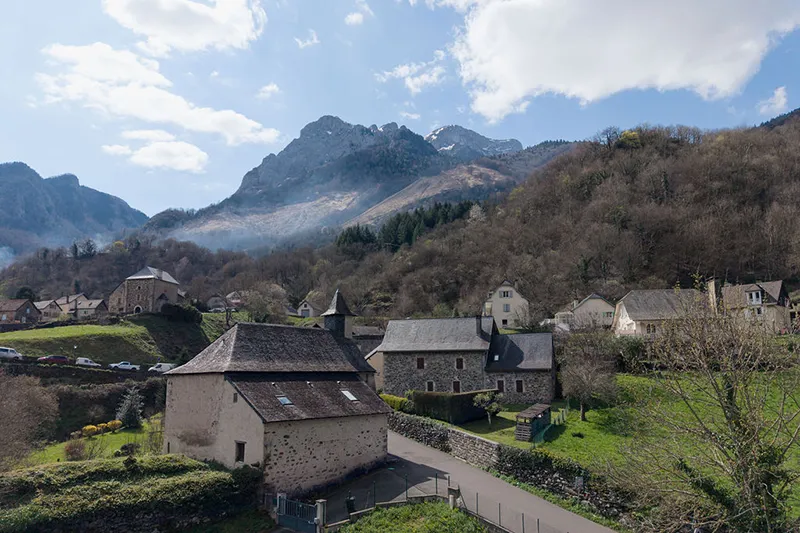
The house is made of stone, like everything in Borce, and for centuries it has received people on their way to Santiago.
Six bed in two bedrooms, with a kitchen available for anyone who wants to prepare their own meals.
This is not a hotel—and it doesn’t pretend to be. It’s a clean, well-organized and peaceful place for one night between two long stages.
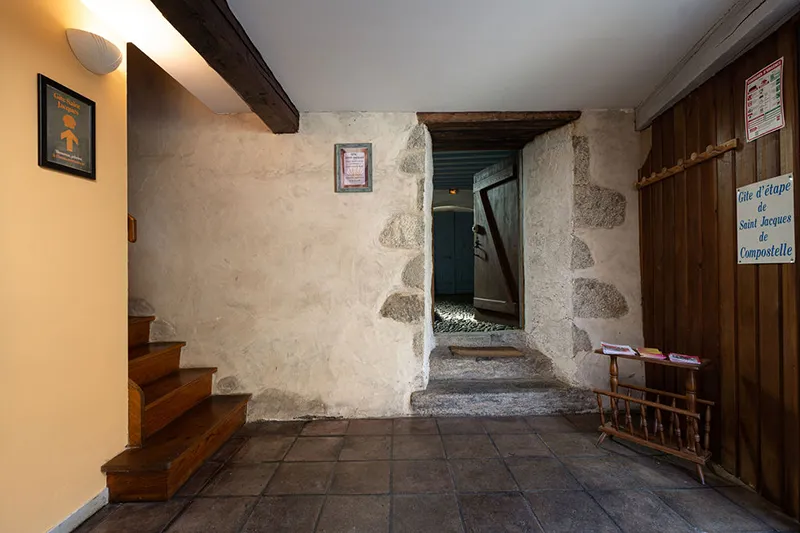
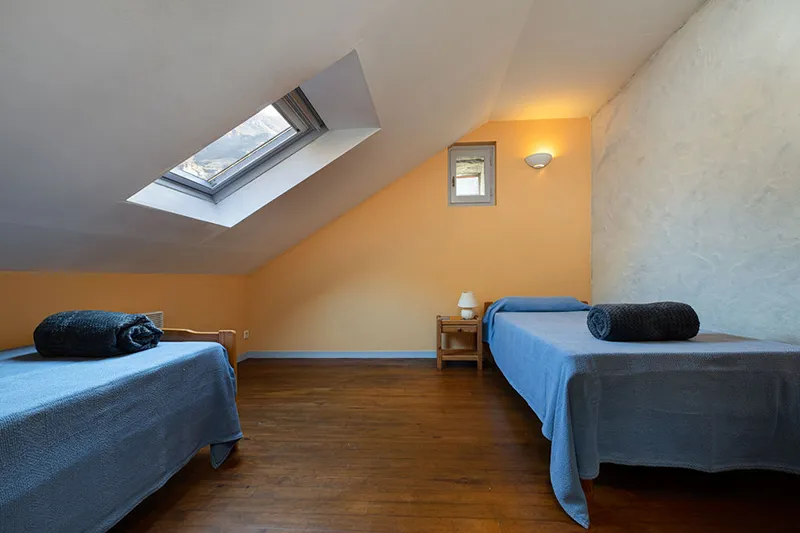
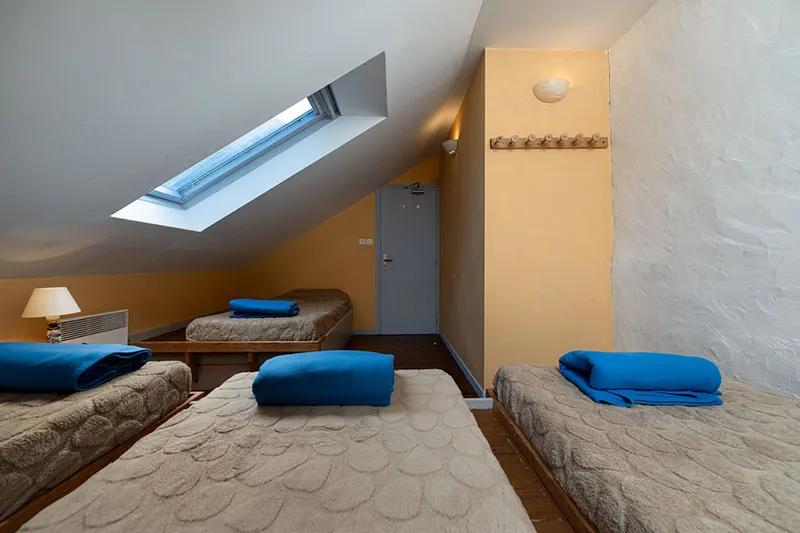
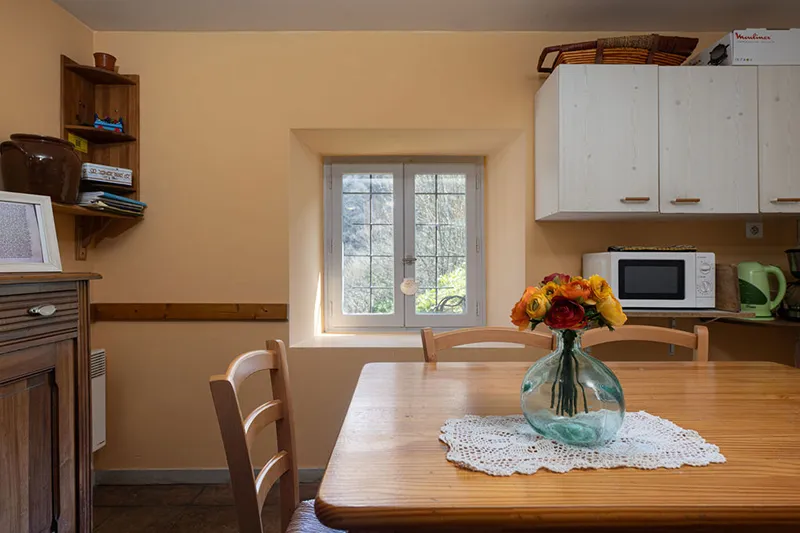
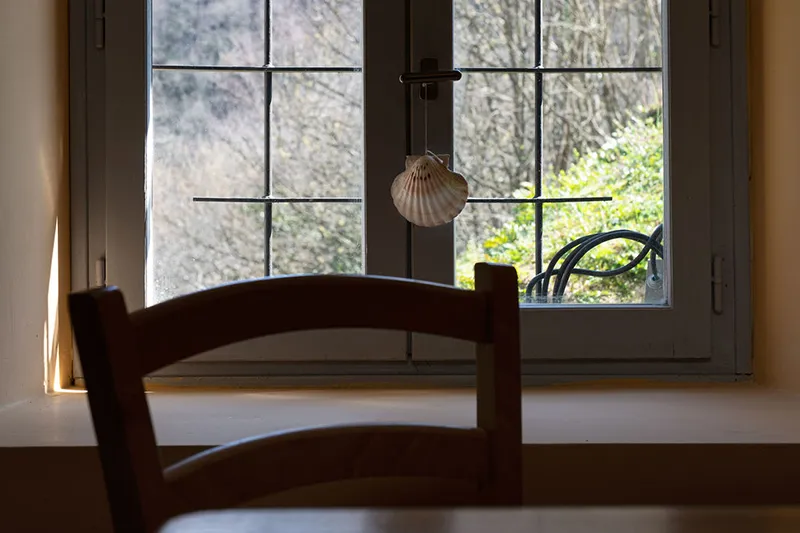
The house and rooms
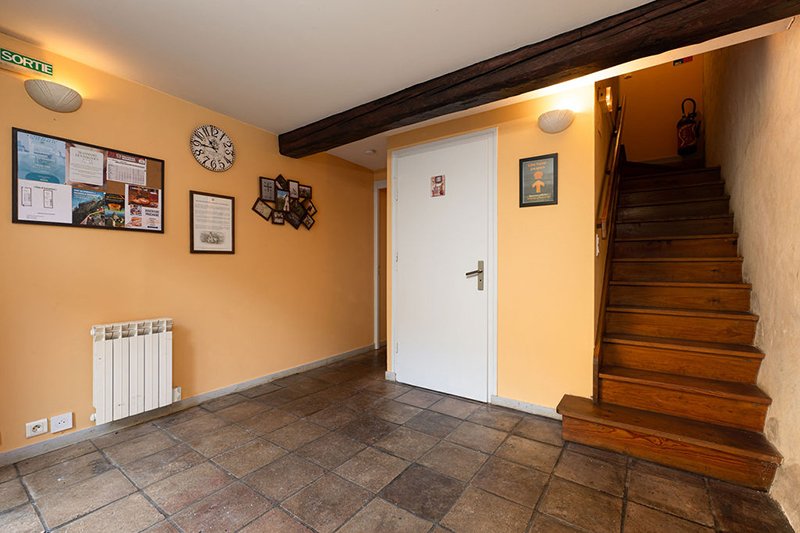
There are two bedrooms and six places: one room with two single beds and another with four beds. There is one bathroom and a separate toilet on the ground floor.
The beds come with disposable bed sheets, included. Pilgrims arrive here with a sleeping bag, but if they prefer cotton sheets and towels, we rent them for €9 per person per stay. Blankets are included at all times.
The kitchen is free to use: it has what you need to cook a simple dinner, or to make your own breakfast, for those leaving before dawn.
PRICES
Sleeping: €20 per person per night
Half board: €38 per person (sleeping, dinner and breakfast)
Picnic for the trail: €9.90
Disposable bed sheets and blankets are included.
Cotton sheets and towels: €9 per person per stay.
The ecomuseum
right in the same house
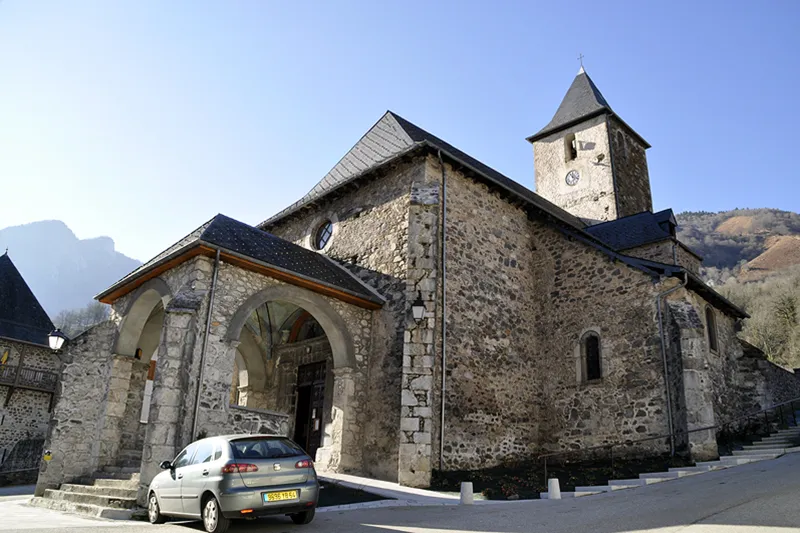
In the 12th century, Aimery Picaud wrote the first known guide for pilgrims and noted Borce as one of the stops along the way. For centuries, the village hospitalet was the last place in French territory where pilgrims were given shelter and food before climbing to Somport.
The house has changed its use several times. In the 13th century, a chapel dedicated to Saint Anthony was attached. In the 19th century, Napoleonic soldiers occupied it. Later, it became a barn. At the beginning of the 21st century, it reopened—this time as one of the ecomuseums of the Aspe Valley.
Inside, you can learn about the origins of the pilgrimage: why people walked back then, why they walk now, and in what conditions they traveled. In the old chapel, you can see a bell mold, a sculpture by Claude Baillon, and a tapestry by Elizabeth Baillon.
Sleeping here means sleeping where the pilgrims stopped eight hundred years ago.